

Securing Your Business: The Essential Guide to Physical Access Control
December 17th, 2025 by admin
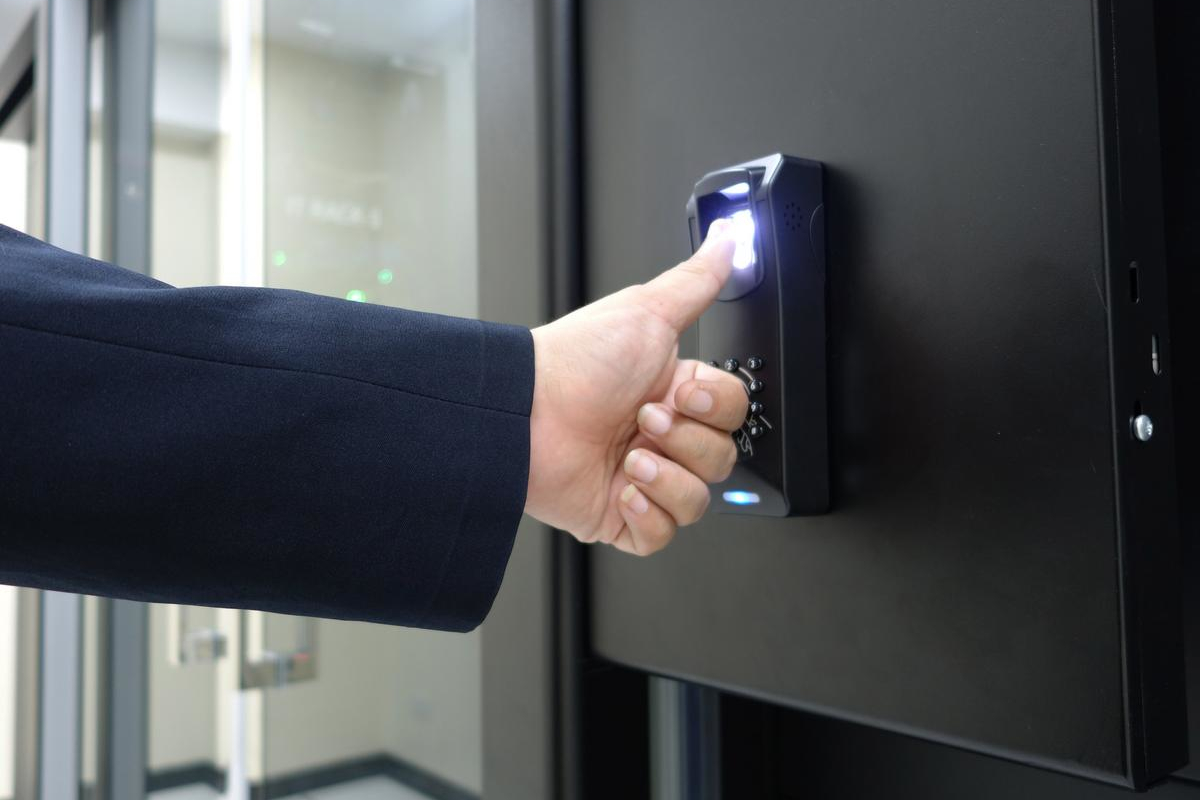
Businesses often focus heavily on cybersecurity measures to protect their assets and information. However, physical access control remains a critical component of a comprehensive security strategy. At CA Communications, we understand the importance of safeguarding your premises, employees, and sensitive data from unauthorized access. In this article, we'll explore the world of physical access control, its benefits, and how it can be integrated with your existing security infrastructure.
What is Physical Access Control?
Physical access control refers to the methods and systems used to restrict and monitor entry to specific areas within a building or facility. These systems are designed to ensure that only authorized individuals can access certain spaces, protecting against theft, vandalism, and other security threats. Modern access control systems go beyond traditional lock-and-key methods, incorporating advanced technologies to enhance security and provide detailed monitoring capabilities.
Key Components of Physical Access Control Systems
A comprehensive physical access control system typically includes several components working together to create a secure environment. These may include:
- Access cards or key fobs
- Biometric scanners (fingerprint, retinal, or facial recognition)
- PIN pads
- Electronic door locks
- Surveillance cameras
- Access control software
- Alarm systems
Each of these components plays a crucial role in maintaining the integrity of your security perimeter and ensuring that only authorized personnel can enter restricted areas.
Benefits of Implementing Physical Access Control
Investing in a robust physical access control system offers numerous advantages for businesses of all sizes. Some key benefits include:
- Enhanced security: By limiting access to authorized individuals, you significantly reduce the risk of theft, vandalism, and other security breaches.
- Improved accountability: Modern access control systems provide detailed logs of entry and exit times, allowing you to track employee movements and investigate any suspicious activity.
- Increased efficiency: Automated access control eliminates the need for manual key management and reduces the time spent monitoring entrances and exits.
- Scalability: As your business grows, access control systems can be easily expanded to accommodate new employees, departments, or locations.
- Integration with other security systems: Physical access control can be seamlessly integrated with video surveillance, intrusion detection, and other security measures for a comprehensive approach to protection.
Choosing the Right Access Control Solution
When selecting a physical access control system for your business, it's essential to consider your specific needs and requirements. Factors to consider include:
1. Size and layout of your facility: The number of entry points and restricted areas will influence the type and complexity of the system you need.
2. Number of employees and visitors: Consider the volume of people who will need access and how frequently access permissions may change.
3. Security level required: Different industries and businesses have varying security needs. Highly sensitive environments may require more advanced authentication methods.
4. Integration capabilities: Ensure that the chosen system can integrate with your existing security infrastructure and other business systems.
5. Scalability: Choose a solution that can grow with your business and accommodate future expansion.
6. User-friendliness: The system should be easy for both administrators and users to operate to ensure smooth adoption and ongoing use.
Implementing Physical Access Control: Best Practices
To maximize the effectiveness of your physical access control system, consider the following best practices:
1. Conduct a thorough risk assessment: Identify vulnerable areas and prioritize security measures accordingly.
2. Develop clear access policies: Establish guidelines for granting, modifying, and revoking access privileges.
3. Train employees: Ensure all staff members understand how to use the system and the importance of following security protocols.
4. Regularly update and maintain the system: Keep software up-to-date and perform routine maintenance to ensure optimal performance.
5. Monitor and audit access logs: Regularly review access records to identify any unusual patterns or potential security breaches.
6. Implement multi-factor authentication: Combine multiple authentication methods (e.g., card + PIN) for higher security areas.
7. Establish visitor management procedures: Create a system for securely managing and tracking visitor access to your facility.
The Future of Physical Access Control
As technology continues to evolve, so do physical access control systems. Some emerging trends in this field include:
Mobile access credentials: Using smartphones as access devices, eliminating the need for physical cards or fobs.
Cloud-based access control: Offering greater flexibility, scalability, and remote management capabilities.
AI and machine learning integration: Enhancing system intelligence to detect anomalies and predict potential security threats.
IoT integration: Connecting access control systems with other smart building technologies for improved efficiency and security.
How CA Communications Can Help
At CA Communications, we understand that implementing a physical access control system can seem daunting. Our team of experts is here to guide you through every step of the process, from initial consultation to installation and ongoing support. We leverage our extensive network of partners and vendors to provide you with cutting-edge solutions tailored to your specific needs.
Our approach includes:
1. Consultation: We begin by thoroughly assessing your current security infrastructure and understanding your unique requirements.
2. Solution Design: Our experts will design a customized physical access control system that integrates seamlessly with your existing technology and addresses your security challenges.
3. Implementation: We handle the installation and configuration of your new system, ensuring minimal disruption to your daily operations.
4. Training: We provide comprehensive training to your staff, ensuring they can effectively use and manage the new system.
5. Ongoing Support: Our team remains available for maintenance, updates, and support to keep your access control system running smoothly.
Conclusion
Physical access control is a crucial element of any comprehensive security strategy. By implementing a robust access control system, you can significantly enhance the safety of your employees, protect your assets, and maintain the integrity of your business operations. As technology continues to advance, the possibilities for sophisticated and integrated access control solutions will only grow.
At CA Communications, we're committed to helping businesses like yours navigate the complex world of security technology. Whether you're looking to upgrade an existing system or implement a new solution from scratch, our team is here to ensure you have the most effective and efficient physical access control measures in place.
Don't leave your physical security to chance. Contact CA Communications today to learn how we can help you safeguard your business with state-of-the-art physical access control solutions.
Posted in: Cybersecurity